
Wildfire Health & Land Stewardship: A Guide
Breathing With Intention:
Ways to alleviate the heartbreak of the Canadian Wildfires

As we move deeper into summer, we find ourselves balancing the beauty of the outdoors with the reality of wildfire season. Our health is intimately connected to the air we breathe and the forests that provide it. Let's focus on protecting your lungs and honoring the landscapes that sustain us.
See below for tips for keeping yourself safe with the current smoke exposures and option to purchase discounted medical grade HEPA filters.
Health Alert
Mitigating Smoke Exposure
Protecting Yourself and Your Family from Wildfire Smoke and Air Pollution
Why Wildfire Smoke Is Harmful
Wildfire smoke contains tiny particles (called PM2.5) that are small enough to travel deep into your lungs and even into your bloodstream. Breathing this smoke can worsen asthma, trigger heart attacks and strokes, raise blood pressure, and cause coughing, eye irritation, and shortness of breath. Children, older adults, pregnant women, and anyone with heart or lung disease are especially at risk.
---
How to Protect Your Family During a Smoke Event
Reduce Outdoor Exposure - Limit time outdoors when the AQI is above 100 ("Unhealthy for Sensitive Groups") and stay inside as much as possible when it is above 150 ("Unhealthy"). - Avoid vigorous outdoor exercise (running, biking, yard work) on smoky days. - If you must go outside, wear a well-fitting N95 mask. Cloth and surgical masks offer much less protection. Children age 7 and older can usually fit an adult small N95.
Monitor Air Quality
- Check the Air Quality Index (AQI) daily at AirNow.gov or download the AirNow app.
- Set up air quality alerts on your phone so you are notified when conditions worsen.
- If you can see or smell smoke, take precautions even if you haven't received an alert.
Keep Indoor Air Clean
- Close all windows, doors, and fireplace flues.
- Run your air conditioner or HVAC system set to recirculate mode (not "fresh air"). Use a MERV-13 or higher filter if possible.
- Use a portable HEPA air purifier, especially in the bedroom where you sleep. HEPA filters can reduce indoor particle levels by up to 80%.
- A low-cost option: tape a MERV-13 furnace filter to the back of a box fan ("DIY air cleaner").
- Designate one room as a "clean room" if you cannot filter the whole house.
- Avoid adding to indoor pollution — do not smoke, vape, burn candles or incense, or fry food during smoke events.
Protect Yourself in the Car
- Keep windows closed and set the air conditioning to recirculate.
Plan Ahead
- Stock emergency supplies: water, medications, N95 masks, and non-perishable food.
- Know your community's evacuation routes and the location of public clean-air shelters.
- If you or a family member has asthma, COPD, or heart disease, talk to your doctor about an action plan before fire season.
---
Clean Air and Your Heart Health
Air pollution is now recognized as a major risk factor for heart disease and stroke — on par with high cholesterol, high blood pressure, and smoking. Even modest improvements in air quality have been shown to reduce rates of heart attack, stroke, and cardiovascular death.
Steps you can take year-round to reduce your exposure:
- Check the AQI before exercising outdoors, especially if you have heart disease or lung disease.
- Use a HEPA air purifier at home, particularly if you live near a busy road or in an area with frequent wildfires.
- Avoid idling cars, wood-burning stoves, and gas stoves when possible; ensure good ventilation if you use a gas stove.
- Choose less congested routes for commuting and keep car windows up in heavy traffic.
- Support community efforts for cleaner air — cleaner air benefits everyone's heart and lungs.
---
When to Seek Medical Attention
Contact your doctor or go to an emergency room if you experience:
- Chest pain or tightness
- Difficulty breathing that does not improve indoors
- Persistent coughing or wheezing
- Dizziness or unusual fatigue
- Worsening of any existing heart or lung condition
---
Helpful Resources
- AirNow.gov — real-time air quality information
- Ready.gov/wildfires — wildfire preparedness
- Your local health department for community clean-air shelter locations
Anyone affiliated with Tallgrass (you!) is eligible to purchase a discounted Austin Air HEPA filter. Click the link below to place your order.
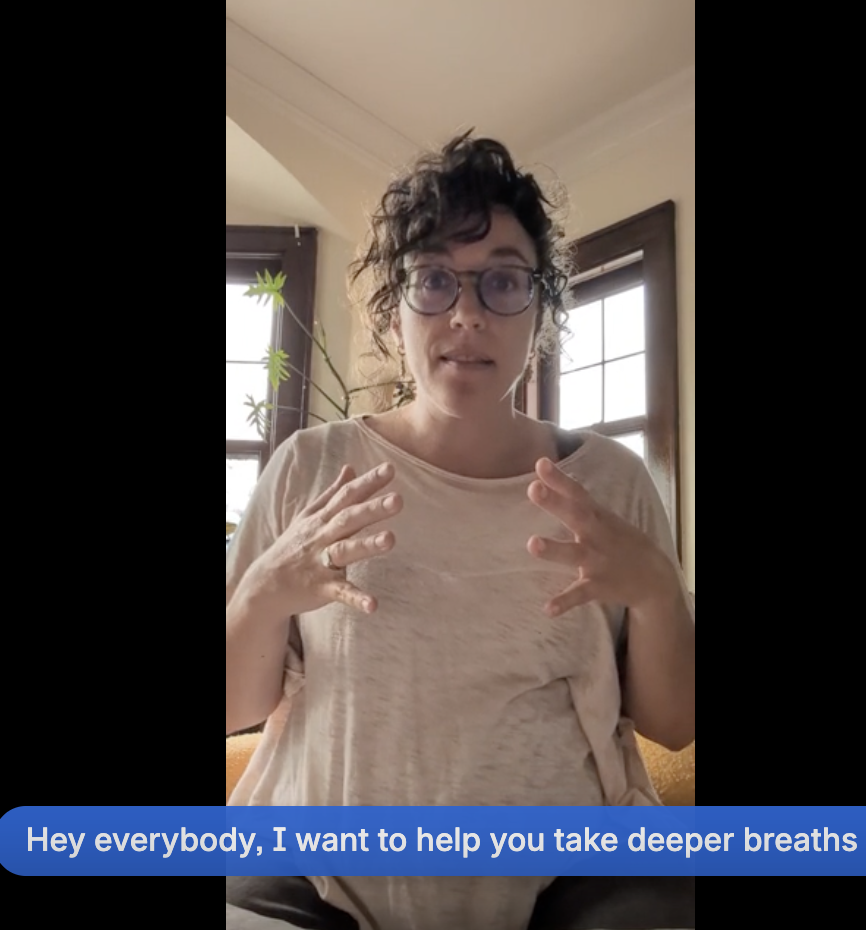
Osteopathic treatments can support rib cage mobility, aiding your respiratory mechanics during periods of poor air quality when breathing may feel more labored.
Land Stewardship
Protecting ourselves begins with protecting the earth. Wildfires are a natural cycle, but environmental degradation increases their severity. Join us in supporting sustainable land trust management right in our backyards. Groundswell Conservancy is one local organization working to protect our native landscapes here in southern Wisconsin and manages the land that Dr. Angela has come to love and for which Tallgrass found it's name.


Comments